


All About Smart Home Integrators
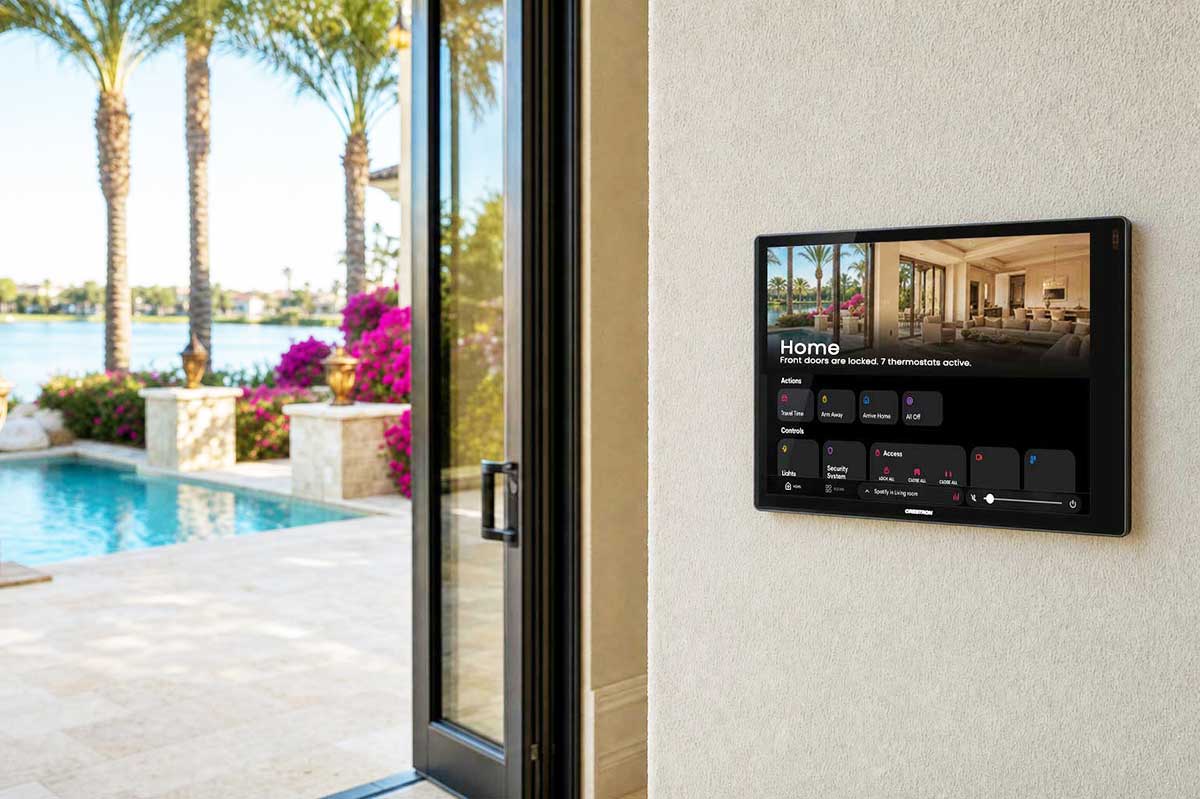
Smart homes in Florida are no longer just about gadgets; they’re about creating seamless living environments. Behind the scenes, a smart home integrator makes sure every system communicates and performs reliably, turning scattered devices into a unified experience.
Key Takeaways
- A smart home automation integrator is the general contractor for your home’s technology. They design, engineer, install, program, and support connected systems so they work as one.
- Their scope spans lighting, shades, audio-video, networking, security, climate, energy, and more, unified under a control platform such as Crestron, Control4, Savant, or Lutron.
- A solid engagement follows a repeatable process: discovery → design/engineering → pre-wire → install → programming → testing/commissioning → training → documentation → ongoing service.
- The home network is the backbone. Reliable Wi-Fi, wired infrastructure, and cybersecurity are planned from day one.
- Experienced integrators protect your investment with as-built drawings, labeled hardware, warranties, remote monitoring, and responsive support, not just pretty touchscreens.
- New builds benefit from early involvement; remodels and retrofits rely on creative wireless and low-impact wiring strategies.
- Choosing the right smart home integration company in South Florida means vetting certifications, process, portfolio, service SLAs, and references, not just price.
Definition: What a Smart Home Integrator Actually Is
A smart home integrator is a specialized service provider that plans, builds, and maintains the technology ecosystem in a residence. Think of them as the GC for low-voltage and digital automation systems: they coordinate brands and subsystems, making them interoperable, and deliver a single, simple interface for the homeowner. Unlike a retailer that sells gear or a single-trade contractor (such as an electrician or security vendor), an integrator owns the entire user experience across products and trades.
What They Integrate: The Modern Smart-Home Stack
Control and Interfaces
- Central control platforms: scenes, automations, remote access
- Touchpanels, handheld remotes, phone/tablet apps, voice control
Lighting and Shading
- Architectural lighting, circadian scenes
- Motorized shades, drapery tracks, skylight treatments
- Keypad design and engraving, occupancy/ambient light sensors
Audio and Video
- Whole-home audio, media rooms, home theaters
- 2-channel listening, high-performance speakers and amps
- Video distribution, source management, and content servers
Network and IT
- Structured wiring, racks, switches, UPS
- Enterprise-grade Wi-Fi (coverage, capacity, roaming)
- Cybersecurity policies, VLANs, and remote management
Security and Access
- Security cameras, NVRs, analytics
- Alarm integration, door stations, gate control
- Smart locks, access schedules, and visitor management
Comfort, Energy, and Wellness
- Climate zoning, smart vents, IAQ sensors
- Energy monitoring, backup power integration, and solar interfaces
- Pool/spa control, irrigation, steam/sauna, wellness tech
Outdoors and Specialty
- Landscape lighting scenes, outdoor audio
- Marine/yacht and motorcoach/RV systems
- Specialty and commercial spaces: gyms, home offices, wine rooms, etc
📅 Schedule your VIP Smart Home Consultation with Definitive Electronics today!
The Smart Home Integrator’s Process (End-to-End)
1) Discovery and Vision
- Lifestyle interviews, room-by-room use cases
- Budget frameworks and priority setting
- Early collaboration with the architect, builder, and designer
2) System Design and Engineering
- Device schedules, risers, network topology, rack layouts
- Lighting load schedules, shade specs, keypad layouts
- Control logic, UX wireframes, brand selections
3) Pre-Wire and Infrastructure
- Low-voltage wiring to code and best practices
- Backboxes, conduit, speaker backer boxes
- Equipment rooms, ventilation, and power conditioning
4) Installation and Trim-Out
- Mounting, terminations, patching, dressing
- Device aiming, calibration, aesthetic alignment
- Labeling for every run and component
5) Programming and Automation
- Scenes for living (Welcome, Goodnight, Entertain, Away)
- Sensor-driven behaviors and schedules
- Clean, consistent UI across rooms and devices
6) Testing and Commissioning
- Network validation, heat mapping, and failover tests
- AV calibration, video distribution checks
- Security, access, and notification tests
7) Training and Handover
- Walkthroughs for owners and household staff
- Quick-reference guides and app tutorials
- Access controls and user roles
8) Documentation and Service
- As-built drawings, IP maps, and password vaulting
- Warranty info, maintenance calendar
- Remote monitoring, proactive alerts, ticketing
👉 Explore What’s Possible With Custom Smart Home Integration!
Why the Network Comes First
Everything runs on the network. A professional integrator:
- Designs wired first where feasible with Wi-Fi for mobility
- Sizes capacity for 4K/8K streams, video calls, gaming, work-from-home
- Segments IoT devices, applies firmware policies, and plans for growth
- Adds UPS, surge protection, and power management for reliability
New Build vs. Remodel vs. Retrofit Integration
New Build
- Optimal: full pre-wire, centralized racks, hidden speakers
- Integration decisions influence framing, power, and millwork
Remodel
- Mix of new wire pulls, surface raceways, and selective wireless
- Careful sequencing around trades to avoid rework
Retrofit
- Leans on wireless and power-over-existing lines where pulling cable isn’t practical
- Phased upgrades to spread cost and disruption
Team Roles You’ll Encounter
- Systems Designer/Engineer: plans topology, hardware, and control
- Project Manager: coordinates vendors, schedule, and quality
- Lead Technician and Install Crew: infrastructure and device install
- Programmer: UI, automation logic, integrations, testing
- Service Lead: remote monitoring, maintenance, on-site support
Who Smart Home Integrators Might Coordinate With
Smart home projects don’t happen in isolation. Integrators frequently collaborate with other professionals to ensure the technology blends seamlessly into the architecture, design, and daily operations of the property.
- General Contractors and Builders – Coordination ensures wiring, equipment rooms, and structural accommodations are made early in the build.
- Architects – Integrators work with architects on layouts, concealment strategies, acoustic considerations, and how technology integrates with structural design.
- Interior Designers – They collaborate on aesthetics, keypad styles, speaker grilles, finishes, and how technology complements the décor.
- Landscape Architects – Outdoor audio, lighting, and irrigation controls must align with the broader landscape plan.
- Electricians – For high-voltage needs, panel upgrades, and ensuring low and line-voltage systems don’t conflict.
- HVAC Contractors – Climate systems are increasingly part of integrated scenes and require coordination for zoning, sensors, and interfaces.
- Security Contractors – Alarm panels, monitoring services, and camera systems are tied into the integrator’s control platform.
- Commercial Property Managers – In luxury condos, estates with staff, or mixed-use buildings, integrators often work with management teams to align building infrastructure and long-term service.
- Specialty Trades – Pool contractors, spa installers, wine cellar builders, and others, since their equipment may tie into the automation system.
This cross-disciplinary role is one of the integrator’s most valuable contributions: they bridge gaps between trades and maintain the homeowner’s cohesive vision.
👉 Get Started with a Personalized Smart Home Plan Today with Definitive Electronics!
What Expert Home Automation Integrators Have in Common
- Trust, integrity, reliability: clear scopes, honest timelines
- Professional commitment: documented standards, jobsite etiquette, safety
- Exceptional service: proactive support and transparent SLAs
- Leadership and initiative: they coordinate trades, prevent surprises, and own outcomes
Deliverables You Should Receive
- Complete as-built set: floor plans, risers, network/IP schema
- Asset inventory: models, serials, licenses, warranties
- Labeling on panels, racks, and cables
- User guides and admin credentials handover
- Service plan with response times and escalation path
How to Choose the Right Home Automation Integration Company in Florida
Questions to Ask
- What is your process from discovery through support?
- Can I see drawings and documentation samples from past jobs (with client info redacted)?
- Who programs and maintains the system, and how fast is support?
- How do you secure the home network and manage credentials?
- What’s your change-order and warranty policy?
- Which certifications do your team members hold (e.g., CEDIA, HTA, and manufacturer certifications)?
Healthy Signs
- Detailed proposals tied to drawings, not just a gear list
- Clear milestone payments aligned to deliverables
- In-house programming or documented standards with trusted partners
- A live help desk and remote monitoring tools
- References for projects similar in size and style
Red Flags
- Lowest-bid gear lists with no engineering
- “We’ll figure it out on site.”
- No documentation or post-install support plan
- One brand forced into every solution without rationale
📅 Schedule a Private Design Consultation with a Home Automation Specialist today!
DIY vs. Professional Home Automation Integration
DIY and retail smart devices can be fun and useful. The differences become clear when it comes to:
- Security: credential management and firmware policies
- Support: proactive monitoring, warranties, and quick repairs
- Scale: dozens of devices across large homes and guest houses
- Reliability: enterprise networking, power, and structured wiring
If you want a unified, low-friction experience across the entire property, a professional is the practical route.
What Does Professional Smart Home Integration Cost?
Budgets vary by region and scope. As a very broad overview:
- Foundational upgrades (network, a few rooms of audio, basic lighting control): often low five figures
- Whole-home systems (lighting, shades, multiroom AV, security, and robust network): commonly mid to high five figures
- Luxury estates or multi-building properties with cinema rooms, large shade packages, and advanced energy/security: six figures and up
Ongoing costs can include software licenses, monitoring, and periodic updates. A good integrator explains initial and lifetime ownership costs up front.
“Matt was great to work with; he helped us integrate a previous system into our current system that we use and did an amazing job. He also helped bring new systems & equipment into our current platform which was very helpful. Prior to our install Matt & his team ran everything that we needed to get the job done prior to our arrival. Matt’s communication and awareness of what we needed was top notch.”
— Jason T., Boca Raton FL
Smart Home Integration FAQs
Is an integrator the same as an electrician?
No. Electricians focus on line-voltage power and code. Integrators handle low-voltage systems, control platforms, networking, and the user experience across brands.
Which brands do integrators use?
They select from control systems such as Crestron, Control4, Savant, Lutron, and others based on scale, aesthetics, and performance goals.
Do I need an integrator for a small condo?
Not always. For a few devices, DIY can work. If you want unified control, remote support, and high reliability, an integrator adds value even in smaller spaces.
What if I already bought gear?
Many integrators can incorporate owner-supplied devices, but they will evaluate compatibility, reliability, and warranty implications.
Can systems stay brand-agnostic?
Yes. Good design prioritizes standards and interoperability so you aren’t locked into a dead-end.
How do service plans work?
Expect tiers with defined response times, remote access, and on-site support allowances. Ask for clarity on renewals and what’s included.
Will the automation work if the internet goes down?
Local control should continue for core functions. Critical scenes and local media may remain available. Your integrator should design for graceful degradation.
Next Steps
If you’re exploring a new build, remodel, or home automation system refresh, start with a discovery call and a walkthrough with one of our specialists. You’ll come away with a high-level plan, a ballpark budget, and clear next steps.
Definitive Electronics | The Florida Home Automation Experts
Our Growing Florida Service Areas
Definitive Electronics serves homeowners, builders, designers, and architects across many of Florida’s most distinguished communities, from South Florida’s coastline to Central Florida and the Gulf Coast, including:
Palm Beach County
Palm Beach, Boca Raton, Delray Beach, Jupiter, Jupiter Island, Manalapan, Boynton Beach, Wellington, Highland Beach, Palm Beach Gardens, West Palm Beach, and surrounding communities
Martin County
Stuart, Hobe Sound, Palm City, Sewall’s Point, Hutchinson Island, and nearby waterfront and golf communities
Broward County
Fort Lauderdale, Lighthouse Point, Weston, Coral Springs, Parkland, and coastal and nearby neighborhoods
Miami-Dade County
Miami, Miami Beach, Coral Gables, Key Biscayne, Bal Harbour, Aventura, Coconut Grove, and surrounding communities
Indian River County
Indian River Shores, Orchid, Sebastian, Vero Beach, Wabasso, Windsor
Orange County
Orlando, Windermere, Lake Nona, Winter Park, Isleworth, Keene’s Pointe, Golden Oak, and other Central Florida communities
Tampa Bay Area (Hillsborough and Pinellas Counties)
Tampa, St. Petersburg, Clearwater, Belleair, Palm Harbor, Tierra Verde, and surrounding residential areas
Oceanfront estates, canal properties, private golf communities, luxury condominiums, and new construction projects all benefit from integrated home technology solutions.
Wherever you are within our Florida Service Areas, Definitive Electronics is ready to bring thoughtful design, seamless control, and reliable performance into your space.
Like what you see? Share this post.
Table of Contents
Categories
All About Smart Home Integrators
Smart homes in Florida are no longer just about gadgets; they’re about creating seamless living environments. Behind the scenes, a smart home integrator makes sure every system communicates and performs reliably, turning scattered devices into a unified experience.
Key Takeaways
- A smart home automation integrator is the general contractor for your home’s technology. They design, engineer, install, program, and support connected systems so they work as one.
- Their scope spans lighting, shades, audio-video, networking, security, climate, energy, and more, unified under a control platform such as Crestron, Control4, Savant, or Lutron.
- A solid engagement follows a repeatable process: discovery → design/engineering → pre-wire → install → programming → testing/commissioning → training → documentation → ongoing service.
- The home network is the backbone. Reliable Wi-Fi, wired infrastructure, and cybersecurity are planned from day one.
- Experienced integrators protect your investment with as-built drawings, labeled hardware, warranties, remote monitoring, and responsive support, not just pretty touchscreens.
- New builds benefit from early involvement; remodels and retrofits rely on creative wireless and low-impact wiring strategies.
- Choosing the right smart home integration company in South Florida means vetting certifications, process, portfolio, service SLAs, and references, not just price.
Definition: What a Smart Home Integrator Actually Is
A smart home integrator is a specialized service provider that plans, builds, and maintains the technology ecosystem in a residence. Think of them as the GC for low-voltage and digital automation systems: they coordinate brands and subsystems, making them interoperable, and deliver a single, simple interface for the homeowner. Unlike a retailer that sells gear or a single-trade contractor (such as an electrician or security vendor), an integrator owns the entire user experience across products and trades.
What They Integrate: The Modern Smart-Home Stack
Control and Interfaces
- Central control platforms: scenes, automations, remote access
- Touchpanels, handheld remotes, phone/tablet apps, voice control
Lighting and Shading
- Architectural lighting, circadian scenes
- Motorized shades, drapery tracks, skylight treatments
- Keypad design and engraving, occupancy/ambient light sensors
Audio and Video
- Whole-home audio, media rooms, home theaters
- 2-channel listening, high-performance speakers and amps
- Video distribution, source management, and content servers
Network and IT
- Structured wiring, racks, switches, UPS
- Enterprise-grade Wi-Fi (coverage, capacity, roaming)
- Cybersecurity policies, VLANs, and remote management
Security and Access
- Security cameras, NVRs, analytics
- Alarm integration, door stations, gate control
- Smart locks, access schedules, and visitor management
Comfort, Energy, and Wellness
- Climate zoning, smart vents, IAQ sensors
- Energy monitoring, backup power integration, and solar interfaces
- Pool/spa control, irrigation, steam/sauna, wellness tech
Outdoors and Specialty
- Landscape lighting scenes, outdoor audio
- Marine/yacht and motorcoach/RV systems
- Specialty and commercial spaces: gyms, home offices, wine rooms, etc
📅 Schedule your VIP Smart Home Consultation with Definitive Electronics today!
The Smart Home Integrator’s Process (End-to-End)
1) Discovery and Vision
- Lifestyle interviews, room-by-room use cases
- Budget frameworks and priority setting
- Early collaboration with the architect, builder, and designer
2) System Design and Engineering
- Device schedules, risers, network topology, rack layouts
- Lighting load schedules, shade specs, keypad layouts
- Control logic, UX wireframes, brand selections
3) Pre-Wire and Infrastructure
- Low-voltage wiring to code and best practices
- Backboxes, conduit, speaker backer boxes
- Equipment rooms, ventilation, and power conditioning
4) Installation and Trim-Out
- Mounting, terminations, patching, dressing
- Device aiming, calibration, aesthetic alignment
- Labeling for every run and component
5) Programming and Automation
- Scenes for living (Welcome, Goodnight, Entertain, Away)
- Sensor-driven behaviors and schedules
- Clean, consistent UI across rooms and devices
6) Testing and Commissioning
- Network validation, heat mapping, and failover tests
- AV calibration, video distribution checks
- Security, access, and notification tests
7) Training and Handover
- Walkthroughs for owners and household staff
- Quick-reference guides and app tutorials
- Access controls and user roles
8) Documentation and Service
- As-built drawings, IP maps, and password vaulting
- Warranty info, maintenance calendar
- Remote monitoring, proactive alerts, ticketing
👉 Explore What’s Possible With Custom Smart Home Integration!
Why the Network Comes First
Everything runs on the network. A professional integrator:
- Designs wired first where feasible with Wi-Fi for mobility
- Sizes capacity for 4K/8K streams, video calls, gaming, work-from-home
- Segments IoT devices, applies firmware policies, and plans for growth
- Adds UPS, surge protection, and power management for reliability
New Build vs. Remodel vs. Retrofit Integration
New Build
- Optimal: full pre-wire, centralized racks, hidden speakers
- Integration decisions influence framing, power, and millwork
Remodel
- Mix of new wire pulls, surface raceways, and selective wireless
- Careful sequencing around trades to avoid rework
Retrofit
- Leans on wireless and power-over-existing lines where pulling cable isn’t practical
- Phased upgrades to spread cost and disruption
Team Roles You’ll Encounter
- Systems Designer/Engineer: plans topology, hardware, and control
- Project Manager: coordinates vendors, schedule, and quality
- Lead Technician and Install Crew: infrastructure and device install
- Programmer: UI, automation logic, integrations, testing
- Service Lead: remote monitoring, maintenance, on-site support
Who Smart Home Integrators Might Coordinate With
Smart home projects don’t happen in isolation. Integrators frequently collaborate with other professionals to ensure the technology blends seamlessly into the architecture, design, and daily operations of the property.
- General Contractors and Builders – Coordination ensures wiring, equipment rooms, and structural accommodations are made early in the build.
- Architects – Integrators work with architects on layouts, concealment strategies, acoustic considerations, and how technology integrates with structural design.
- Interior Designers – They collaborate on aesthetics, keypad styles, speaker grilles, finishes, and how technology complements the décor.
- Landscape Architects – Outdoor audio, lighting, and irrigation controls must align with the broader landscape plan.
- Electricians – For high-voltage needs, panel upgrades, and ensuring low and line-voltage systems don’t conflict.
- HVAC Contractors – Climate systems are increasingly part of integrated scenes and require coordination for zoning, sensors, and interfaces.
- Security Contractors – Alarm panels, monitoring services, and camera systems are tied into the integrator’s control platform.
- Commercial Property Managers – In luxury condos, estates with staff, or mixed-use buildings, integrators often work with management teams to align building infrastructure and long-term service.
- Specialty Trades – Pool contractors, spa installers, wine cellar builders, and others, since their equipment may tie into the automation system.
This cross-disciplinary role is one of the integrator’s most valuable contributions: they bridge gaps between trades and maintain the homeowner’s cohesive vision.
👉 Get Started with a Personalized Smart Home Plan Today with Definitive Electronics!
What Expert Home Automation Integrators Have in Common
- Trust, integrity, reliability: clear scopes, honest timelines
- Professional commitment: documented standards, jobsite etiquette, safety
- Exceptional service: proactive support and transparent SLAs
- Leadership and initiative: they coordinate trades, prevent surprises, and own outcomes
Deliverables You Should Receive
- Complete as-built set: floor plans, risers, network/IP schema
- Asset inventory: models, serials, licenses, warranties
- Labeling on panels, racks, and cables
- User guides and admin credentials handover
- Service plan with response times and escalation path
How to Choose the Right Home Automation Integration Company in Florida
Questions to Ask
- What is your process from discovery through support?
- Can I see drawings and documentation samples from past jobs (with client info redacted)?
- Who programs and maintains the system, and how fast is support?
- How do you secure the home network and manage credentials?
- What’s your change-order and warranty policy?
- Which certifications do your team members hold (e.g., CEDIA, HTA, and manufacturer certifications)?
Healthy Signs
- Detailed proposals tied to drawings, not just a gear list
- Clear milestone payments aligned to deliverables
- In-house programming or documented standards with trusted partners
- A live help desk and remote monitoring tools
- References for projects similar in size and style
Red Flags
- Lowest-bid gear lists with no engineering
- “We’ll figure it out on site.”
- No documentation or post-install support plan
- One brand forced into every solution without rationale
📅 Schedule a Private Design Consultation with a Home Automation Specialist today!
DIY vs. Professional Home Automation Integration
DIY and retail smart devices can be fun and useful. The differences become clear when it comes to:
- Security: credential management and firmware policies
- Support: proactive monitoring, warranties, and quick repairs
- Scale: dozens of devices across large homes and guest houses
- Reliability: enterprise networking, power, and structured wiring
If you want a unified, low-friction experience across the entire property, a professional is the practical route.
What Does Professional Smart Home Integration Cost?
Budgets vary by region and scope. As a very broad overview:
- Foundational upgrades (network, a few rooms of audio, basic lighting control): often low five figures
- Whole-home systems (lighting, shades, multiroom AV, security, and robust network): commonly mid to high five figures
- Luxury estates or multi-building properties with cinema rooms, large shade packages, and advanced energy/security: six figures and up
Ongoing costs can include software licenses, monitoring, and periodic updates. A good integrator explains initial and lifetime ownership costs up front.
“Matt was great to work with; he helped us integrate a previous system into our current system that we use and did an amazing job. He also helped bring new systems & equipment into our current platform which was very helpful. Prior to our install Matt & his team ran everything that we needed to get the job done prior to our arrival. Matt’s communication and awareness of what we needed was top notch.”
— Jason T., Boca Raton FL
Smart Home Integration FAQs
Is an integrator the same as an electrician?
No. Electricians focus on line-voltage power and code. Integrators handle low-voltage systems, control platforms, networking, and the user experience across brands.
Which brands do integrators use?
They select from control systems such as Crestron, Control4, Savant, Lutron, and others based on scale, aesthetics, and performance goals.
Do I need an integrator for a small condo?
Not always. For a few devices, DIY can work. If you want unified control, remote support, and high reliability, an integrator adds value even in smaller spaces.
What if I already bought gear?
Many integrators can incorporate owner-supplied devices, but they will evaluate compatibility, reliability, and warranty implications.
Can systems stay brand-agnostic?
Yes. Good design prioritizes standards and interoperability so you aren’t locked into a dead-end.
How do service plans work?
Expect tiers with defined response times, remote access, and on-site support allowances. Ask for clarity on renewals and what’s included.
Will the automation work if the internet goes down?
Local control should continue for core functions. Critical scenes and local media may remain available. Your integrator should design for graceful degradation.
Next Steps
If you’re exploring a new build, remodel, or home automation system refresh, start with a discovery call and a walkthrough with one of our specialists. You’ll come away with a high-level plan, a ballpark budget, and clear next steps.
Definitive Electronics | The Florida Home Automation Experts
Our Growing Florida Service Areas
Definitive Electronics serves homeowners, builders, designers, and architects across many of Florida’s most distinguished communities, from South Florida’s coastline to Central Florida and the Gulf Coast, including:
Palm Beach County
Palm Beach, Boca Raton, Delray Beach, Jupiter, Jupiter Island, Manalapan, Boynton Beach, Wellington, Highland Beach, Palm Beach Gardens, West Palm Beach, and surrounding communities
Martin County
Stuart, Hobe Sound, Palm City, Sewall’s Point, Hutchinson Island, and nearby waterfront and golf communities
Broward County
Fort Lauderdale, Lighthouse Point, Weston, Coral Springs, Parkland, and coastal and nearby neighborhoods
Miami-Dade County
Miami, Miami Beach, Coral Gables, Key Biscayne, Bal Harbour, Aventura, Coconut Grove, and surrounding communities
Indian River County
Indian River Shores, Orchid, Sebastian, Vero Beach, Wabasso, Windsor
Orange County
Orlando, Windermere, Lake Nona, Winter Park, Isleworth, Keene’s Pointe, Golden Oak, and other Central Florida communities
Tampa Bay Area (Hillsborough and Pinellas Counties)
Tampa, St. Petersburg, Clearwater, Belleair, Palm Harbor, Tierra Verde, and surrounding residential areas
Oceanfront estates, canal properties, private golf communities, luxury condominiums, and new construction projects all benefit from integrated home technology solutions.
Wherever you are within our Florida Service Areas, Definitive Electronics is ready to bring thoughtful design, seamless control, and reliable performance into your space.