


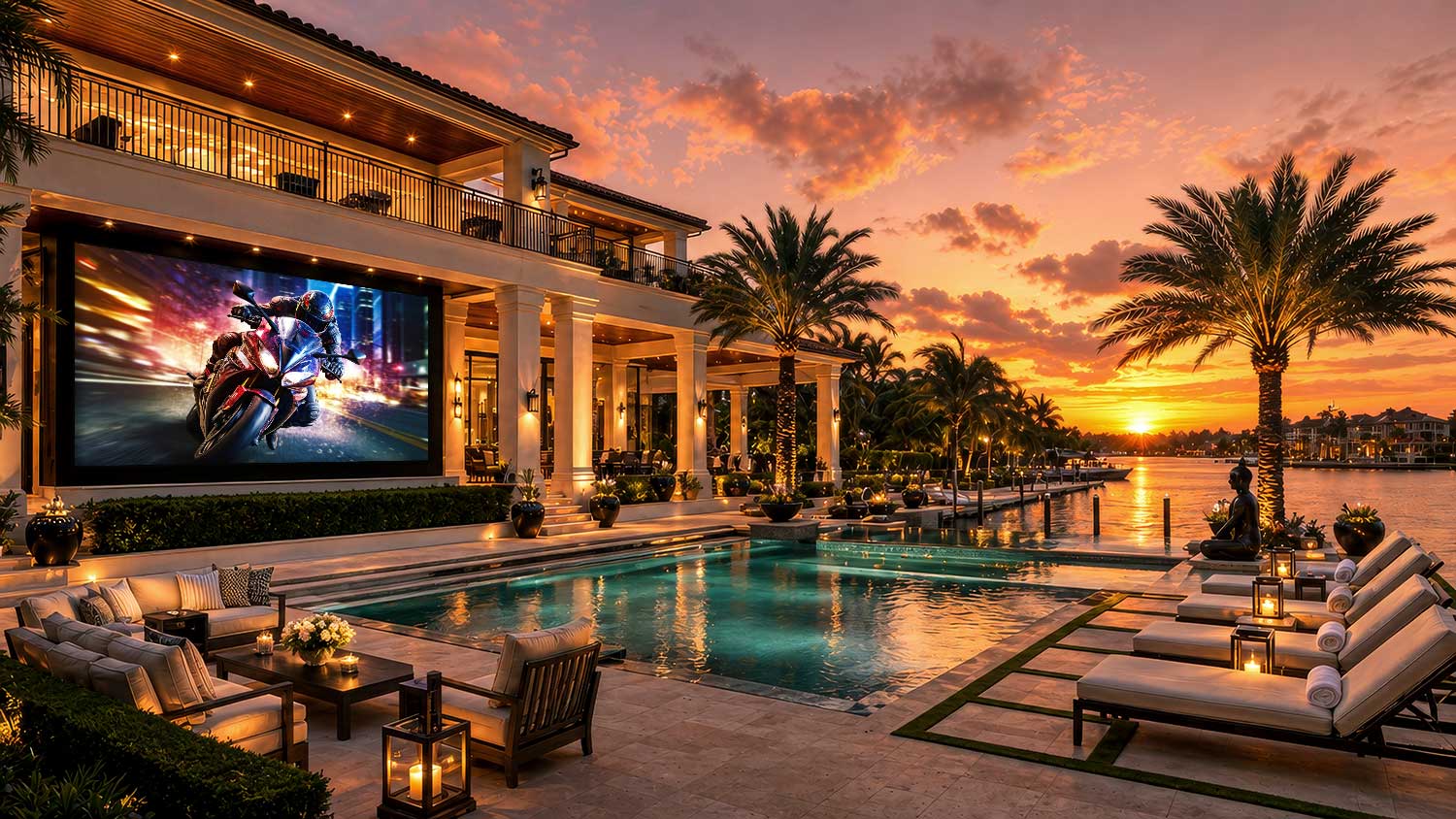
What High-End Homeowners Are Actually Installing Right Now
Florida has become one of the most competitive markets in the country for residential technology. The expectations are different here. Homes are larger. Outdoor living is not seasonal. Power, humidity, and salt air all introduce real engineering challenges.
This is not a generic smart home trend roundup. It reflects what experienced integrators are seeing in high-end projects across Palm Beach, Miami, Jupiter, Orlando, and other luxury Florida markets.
Top 10 Luxury Home Automation Trends in Florida 2026
1. AI That Runs the Home Quietly in the Background
The biggest shift is not new hardware. It is behavior.
Five years ago, homeowners were tapping apps and issuing commands. Today, the expectation is that the home anticipates needs without being asked.
Lighting, climate, and shading systems are now programmed to respond to patterns, occupancy, and environmental changes. When this is done correctly, the homeowner stops thinking about the system altogether.
Platforms like Josh.ai have gained traction because they respect privacy and perform reliably in large homes where consumer-grade assistants often fall short. Behind that layer, systems such as Crestron and Control4 handle the orchestration.
Common AI-driven features include:
- Voice control designed for natural language
- Automated lighting based on time of day and occupancy
- Shade control based on sun exposure
- Climate adjustments tied to humidity and room usage
- Smart scenes that adapt to daily routines
What experienced integrators know:
AI only works well when the underlying system is engineered correctly. Poor programming creates frustration quickly. The difference between a “smart home” and a well-run home is the time spent dialing in behavior after installation.
Florida context:
Sun exposure shifts throughout the day, especially on waterfront properties. A properly tuned system can adjust shades and cooling loads automatically, improving comfort while reducing daily friction.
SEE ALSO: Florida Smart Home Automation Solutions ⇒
2. Whole-Home Energy Intelligence and Power Stability
Energy conversations used to center around efficiency. At the high end, the conversation has expanded.
The focus now is control, protection, and continuity.
Large homes with advanced AV systems, automation processors, smart lighting, motorized shades, networking equipment, and security solutions are sensitive to power quality. Even minor fluctuations can create instability or shorten the life of expensive equipment.
Systems from partners such as RoseWater Energy Group are becoming more relevant in luxury Florida homes because they address more than backup power. They help manage clean, conditioned power across the entire residence.
Typical components include:
- Whole-home battery backup
- Power conditioning and surge protection
- Real-time energy monitoring
- Load prioritization during outages
- Integration with lighting, HVAC, shading, and security systems
What most homeowners do not realize:
A generator alone does not solve every power problem. It may help during an outage, but it does not always protect sensitive electronics from unstable voltage or poor power quality.
Florida reality:
Storms are predictable. Power fluctuations are common. Homes that are properly engineered can handle both with less disruption.
DISCOVER: Smart Home Energy Management Solutions ⇒
3. Technology That Disappears into the Architecture
Design teams have more influence than ever.
Architects and interior designers expect technology to integrate cleanly into the home. If a keypad, speaker, display, camera, or access point interrupts the design, it becomes a problem.
That has pushed the industry toward solutions that are intentionally subtle:
- Architectural speakers that disappear into walls and ceilings
- Flush-mounted lighting controls that match surrounding finishes
- Displays that double as mirrors or artwork
- Hidden racks and centralized equipment rooms
- Discreet access points and surveillance placement
Lighting and shading systems from partners such as Lutron are often selected for their ability to complement high-end interiors while still delivering precise control.
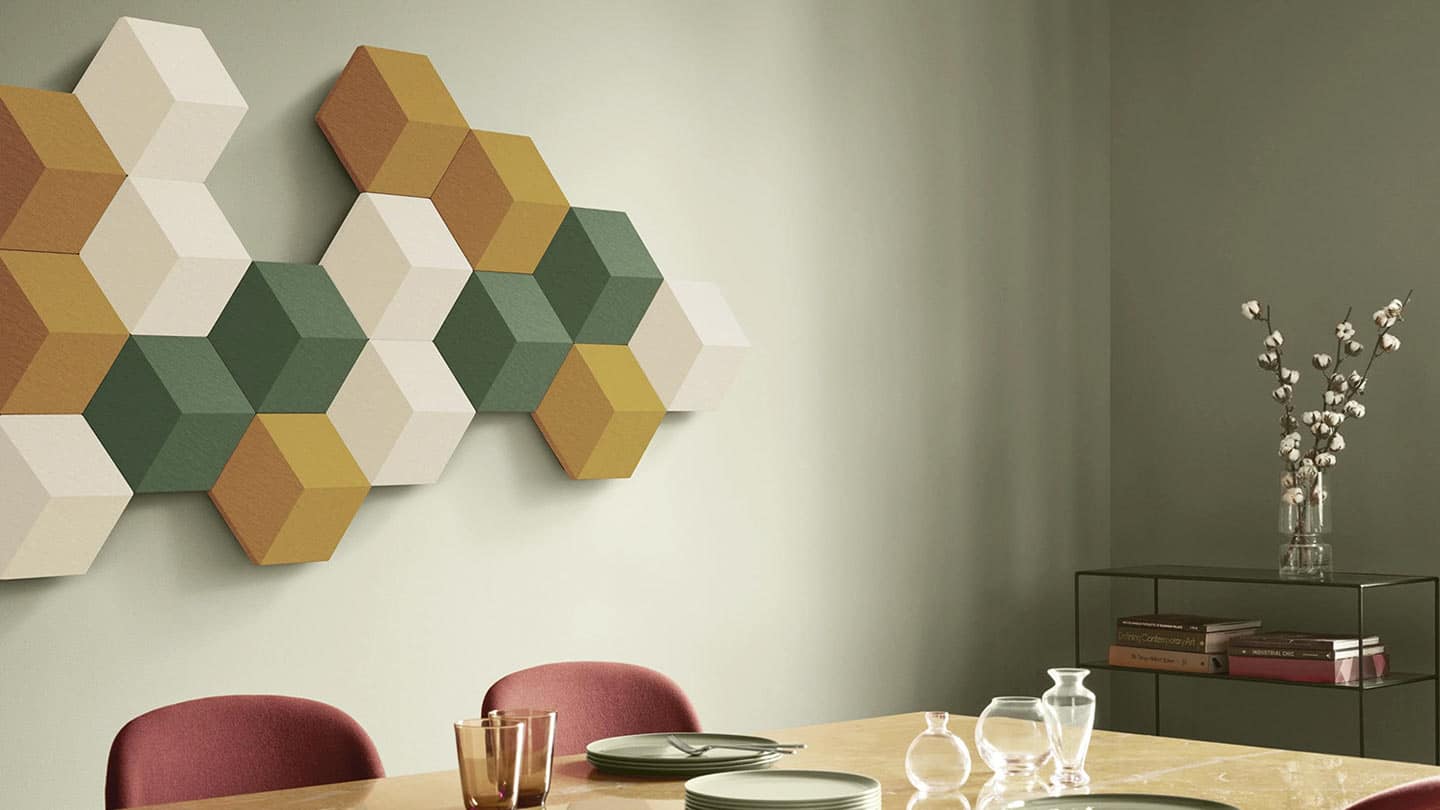
FEATURED: Beosound Shape Modular Wall-Mounted Speakers by Bang & Olufsen
What separates average installations from high-end work:
Coordination. Clean integration requires planning with the architect, builder, electrician, lighting designer, interior designer, and technology team early in the process. Retrofitting invisible technology rarely delivers the same result.
Florida-specific consideration:
Open floor plans, glass walls, and bright coastal interiors can make visual clutter more obvious. Clean integration matters even more in these homes.
SEE ALSO: Smart Home FAQs ⇒
4. Wellness-Focused Automation
Wellness has moved from a niche request to a standard expectation in many luxury builds.
This category is less about visible technology and more about how the home feels throughout the day.
Wellness technology systems may include:
- Circadian lighting that follows natural daylight patterns
- Advanced air filtration integrated into HVAC systems
- Humidity-aware climate control
- Sleep, study, or meditation-focused scenes for lighting, temperature, and shades
What experienced integration teams pay attention to:
Wellness automation must be customized. A generic lighting schedule will not feel natural in every home. Room orientation, window exposure, daily routines, and personal preferences all matter.
In Florida, orientation plays a major role in how a home performs. Rooms facing east receive strong morning light, especially in oceanfront properties. West-facing rooms, particularly those overlooking the Intracoastal or canals, can experience intense afternoon sun, heat gain, and glare.
A properly designed system accounts for these differences automatically.
For example:
- East-facing bedrooms can gradually brighten with natural light while adjusting interior lighting to avoid harsh contrast early in the day
- West-facing living areas can lower shades and adjust lighting before peak afternoon heat and glare set in
- Waterfront reflections can be managed with subtle shade positioning and lighting balance
- Climate systems can preemptively adjust cooling loads based on solar exposure rather than reacting after the space becomes uncomfortable
These adjustments happen quietly in the background. The goal is not to notice the system, but to feel that each space is consistently comfortable regardless of time of day or orientation.
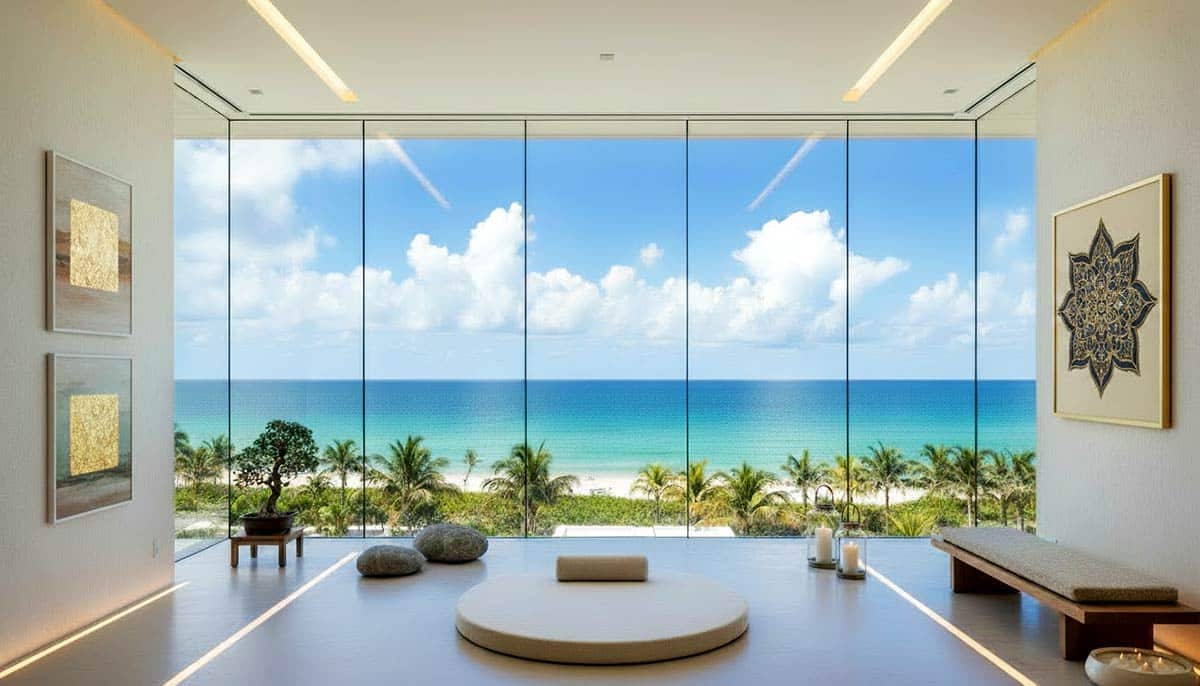
Why this resonates in Florida:
The goal is not just comfort, but well-being. Thoughtful automation supports sleep cycles, reduces harsh light and heat, improves air quality, and creates a healthier environment for everyone in the home.
👉 Schedule a VIP consultation with Definitive Electronics
5. Fully Integrated Outdoor Living Environments
Outdoor audio and video systems in Florida used to be treated as secondary. That approach does not hold up in Florida.
Outdoor living is a major part of how luxury homes are used. Pool decks, lanais, summer kitchens, courtyards, docks, terraces, and gardens are now being designed with the same level of technology planning as interior spaces.
Modern, outdoor audio/video and lighting projects often include:
- Weather-resistant audio with balanced coverage
- Outdoor displays designed for brightness and durability
- Landscape and architectural lighting scenes
- Motorized screens and shading
- Pool and spa automation
- Control through the same system used inside the home
What matters most here:
Product selection and installation technique. Coastal environments are unforgiving. Salt air, humidity, direct sun, wind, drainage, insects, and heat all affect performance.
What experienced home tech integrators account for:
Speaker placement, wiring methods, conduit routes, waterproofing, ventilation, service access, and drainage all impact long-term reliability. These details do not show up in a glossy photo, but they determine how the system performs two summers later.
Outdoor Video Walls Are Becoming the New Poolside Showpiece
One of the most exciting trends in Florida luxury outdoor living is the rise of outdoor video walls.
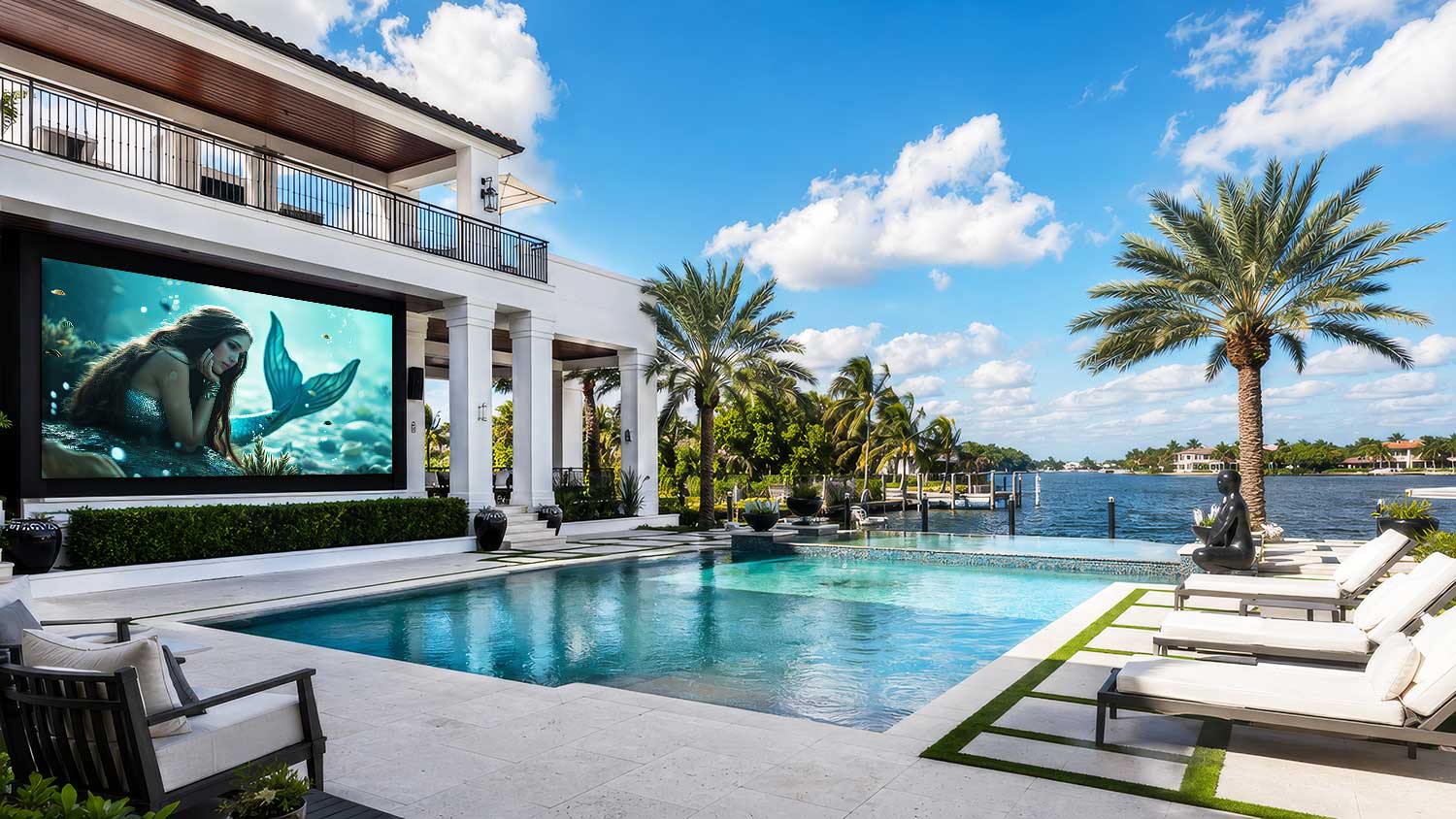
These are not simply big outdoor TVs. A properly designed MicroLED video wall can create a true large-format viewing experience for poolside movie nights, sports events, private parties, and family gatherings.
Outdoor video wall systems may include:
- Bright MicroLED panels designed for daylight visibility
- Large-format screen sizing beyond traditional televisions
- Integrated outdoor audio
- Lighting scenes that shift for evening viewing
- Simple control from a touch panel, keypad, phone, or whole-home automation system
What most Florida homeowners underestimate:
Outdoor video walls require real design work. Viewing distance, sun orientation, glare, heat, structural support, drainage, service access, and audio coverage all affect the final experience.
A poolside video wall should feel impressive but also natural to use. The best installations are easy to control, comfortable to watch, and integrated into the architecture instead of looking like an afterthought.
Why this works especially well in Florida:
Florida homeowners can use outdoor entertainment spaces almost year-round. A poolside video wall turns the outdoor area into a private cinema, sports lounge, and event space without sending guests indoors.
Definitive Electronics is an authorized dealer and installation partner for AWALL and Just Video Walls.
RELATED: Smart Home Automation Systems Orlando ⇒
6. Estate-Level Security and Private Property Control
Security systems have evolved into fully integrated property management tools.
In high-end Florida homes, security is not limited to cameras and alarms. It often includes access control, gates, perimeter awareness, lighting response, remote monitoring, and intelligent alerts.
Modern home security installations may include:
- AI-driven surveillance with intelligent alerts
- Facial recognition access control
- Smart gates and intercom systems
- Perimeter cameras and driveway alerts
- Lighting scenes that respond to movement or events
- Remote visibility for seasonal or part-time residents
What separates high-end systems from basic installations:
Smart integration. Security should not feel like a separate layer bolted onto the house. It should work with lighting, access control, networking, audio, and automation so the property responds intelligently.
Florida-specific concern:
Many luxury homes are occupied seasonally or used as secondary residences. Remote visibility, dependable alerts, and serviceable infrastructure matter when the owner is away.
LEARN MORE: Florida Home Security, Surveillance, and Access Control
7. One System Across Multiple Properties
Multi-property ownership is common among high-net-worth clients.
A homeowner may have a primary residence in Palm Beach, a condominium in Miami, a second home in Naples, and another property outside Florida. They do not want to relearn the technology in each residence.
Systems are now designed to provide:
- A familiar interface in every home
- Remote monitoring and control
- Real-time alerts and diagnostics
- Centralized support
- Consistent lighting, security, AV, and climate logic
Home automation platforms such as Savant can support this type of multi-property experience.
What this requires behind the scenes:
Standardization. Each property must be designed with consistent logic, naming conventions, programming structure, and support protocols.
Why it matters:
Consistency reduces frustration. When the experience feels familiar across every property, the technology becomes easier to trust.
👉 Schedule a VIP consultation with Definitive Electronics
8. High-Performance Networking as a Core System
Every system depends on the network. When the network fails, everything feels broken.
Lighting control, security cameras, streaming, voice control, remote access, pool automation, work-from-home systems, and AV distribution all rely on strong infrastructure.
High-end homes now require:
- Enterprise-grade wireless coverage
- Structured wiring for reliability and speed
- Secure remote access
- Network segmentation for privacy and performance
- Outdoor WiFi coverage
- Ongoing monitoring and service
What experienced teams prioritize:
Coverage planning, wiring infrastructure, equipment location, heat management, and redundancy. Large homes need more than a consumer-grade wireless setup.
Florida-specific challenge:
Concrete construction, large footprints, detached structures, guest houses, pool areas, and dock spaces all affect network design. Outdoor coverage is not optional in many Florida homes.
High-Performance Networking for Your Florida Home Starts Here ⇒
9. Refined Interfaces and Scene-Based Living
Smart home interfaces have matured.
The best home automation systems no longer force homeowners to rely on one control method. Instead, they combine several options in a way that feels intuitive.
Common interface options include:
- Voice control for convenience
- Keypads for fast access
- Touch panels for visual control
- Mobile apps for remote use
- Pre-programmed scenes that adjust multiple systems at once
What makes a system feel effortless:
Consistency. Buttons, scenes, room names, voice commands, and touch panel layouts should behave predictably throughout the home.
Where many projects fall short:
Overcomplication. Too many scenes, too many buttons, and too many unlabeled options create confusion. Simplicity requires restraint.
A better approach:
Design the system around real life. Morning, evening, entertaining, away, movie night, dinner, poolside, and security scenes are more useful than dozens of technical options the homeowner will never touch.
10. Purpose-Built Entertainment Spaces
Entertainment is becoming more specialized and more immersive.
Instead of one general media room, many luxury homes now include dedicated spaces for very specific experiences.
These may include:
- Custom home theaters
- Sports viewing rooms
- Gaming environments
- Golf simulators
- Music listening rooms
- Multi-use media rooms
Audio solutions from partners such as Bang & Olufsen may be selected for rooms where design and sound quality need to work together. Other high-performance speaker, projection, and video wall systems may be used when the goal is maximum immersion.
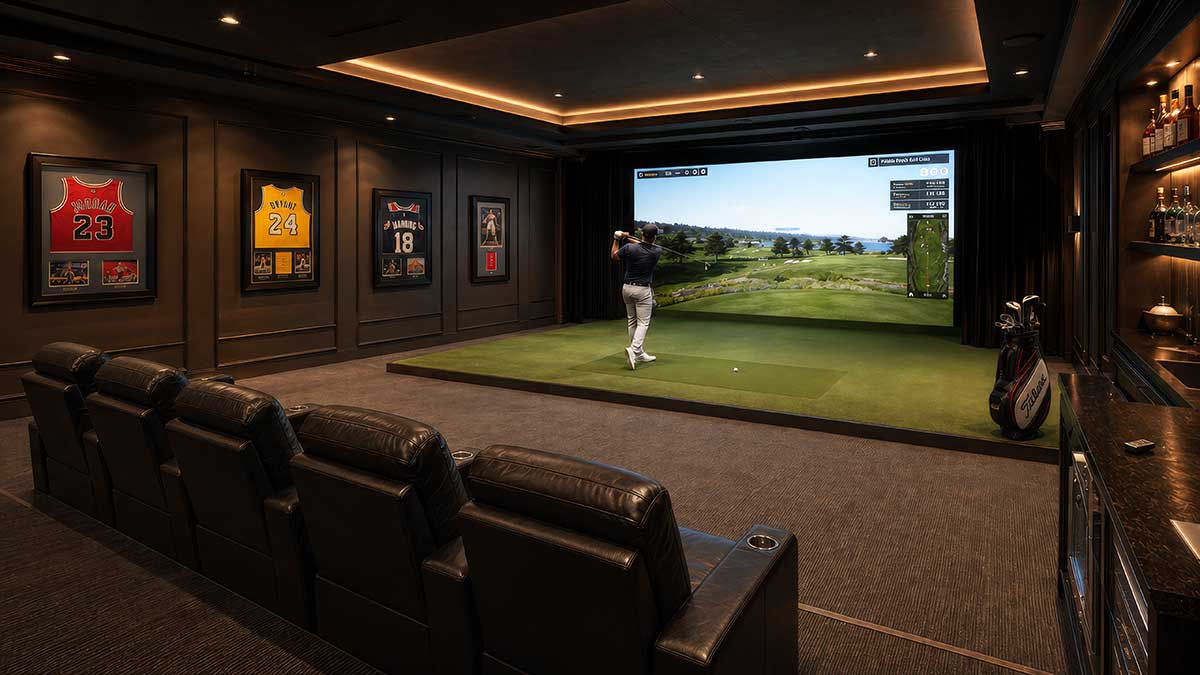
What separates a true home theater from a media room:
Acoustic design, light control, seating layout, ventilation, calibration, and equipment selection. The display is only one part of the experience.
What experienced integrators know:
The room determines the result. A great projector, screen, speaker package, or video wall cannot overcome poor acoustics, bad seating geometry, or uncontrolled light.
How These Top 10 Home Automation Trends Might Affect Your Project
Luxury home automation is no longer a collection of devices. It is a complete residential technology ecosystem.
The most successful projects:
- Bring the technology team in early
- Coordinate closely with architects, builders, designers, and electricians
- Focus on reliability and long-term service
- Use equipment appropriate for Florida’s climate
- Prioritize simple control for the homeowner
- Build the infrastructure before the walls are closed
A well-designed system should feel effortless on the surface and disciplined behind the scenes.
Work With a Florida Home Integration Team That Understands the Details
Definitive Electronics designs and integrates complete technology systems for high-end homes across Florida. Each project is built around the property, the architecture, and the way the residents live.
If you are building, renovating, or upgrading a luxury residence, the planning stage is where the outcome is decided.
Our Growing Florida Service Areas
Definitive Electronics serves homeowners, builders, designers, and architects across many of Florida’s most distinguished communities, from South Florida’s coastline to Central Florida and the Gulf Coast, including:
Palm Beach County
Palm Beach, Boca Raton, Delray Beach, Jupiter, Jupiter Island, Manalapan, Boynton Beach, Wellington, Highland Beach, Palm Beach Gardens, West Palm Beach, and surrounding communities
Martin County
Stuart, Hobe Sound, Palm City, Sewall’s Point, Hutchinson Island, and nearby waterfront and golf communities
Broward County
Fort Lauderdale, Lighthouse Point, Weston, Coral Springs, Parkland, and coastal and nearby neighborhoods
Miami-Dade County
Miami, Miami Beach, Coral Gables, Key Biscayne, Bal Harbour, Aventura, Coconut Grove, and surrounding communities
Indian River County
Indian River Shores, Orchid, Sebastian, Vero Beach, Wabasso, Windsor
Orange County
Orlando, Windermere, Lake Nona, Winter Park, Isleworth, Keene’s Pointe, Golden Oak, and other Central Florida communities
Tampa Bay Area (Hillsborough and Pinellas Counties)
Tampa, St. Petersburg, Clearwater, Belleair, Palm Harbor, Tierra Verde, and surrounding residential areas
Oceanfront estates, canal properties, private golf communities, luxury condominiums, and new construction projects all benefit from integrated home technology solutions.
Wherever you are within our Florida Service Areas, Definitive Electronics is ready to bring thoughtful design, seamless control, and reliable performance into your space.
Like what you see? Share this post.
Table of Contents
Categories
What High-End Homeowners Are Actually Installing Right Now
Florida has become one of the most competitive markets in the country for residential technology. The expectations are different here. Homes are larger. Outdoor living is not seasonal. Power, humidity, and salt air all introduce real engineering challenges.
This is not a generic smart home trend roundup. It reflects what experienced integrators are seeing in high-end projects across Palm Beach, Miami, Jupiter, Orlando, and other luxury Florida markets.
Top 10 Luxury Home Automation Trends in Florida 2026
1. AI That Runs the Home Quietly in the Background
The biggest shift is not new hardware. It is behavior.
Five years ago, homeowners were tapping apps and issuing commands. Today, the expectation is that the home anticipates needs without being asked.
Lighting, climate, and shading systems are now programmed to respond to patterns, occupancy, and environmental changes. When this is done correctly, the homeowner stops thinking about the system altogether.
Platforms like Josh.ai have gained traction because they respect privacy and perform reliably in large homes where consumer-grade assistants often fall short. Behind that layer, systems such as Crestron and Control4 handle the orchestration.
Common AI-driven features include:
- Voice control designed for natural language
- Automated lighting based on time of day and occupancy
- Shade control based on sun exposure
- Climate adjustments tied to humidity and room usage
- Smart scenes that adapt to daily routines
What experienced integrators know:
AI only works well when the underlying system is engineered correctly. Poor programming creates frustration quickly. The difference between a “smart home” and a well-run home is the time spent dialing in behavior after installation.
Florida context:
Sun exposure shifts throughout the day, especially on waterfront properties. A properly tuned system can adjust shades and cooling loads automatically, improving comfort while reducing daily friction.
SEE ALSO: Florida Smart Home Automation Solutions ⇒
2. Whole-Home Energy Intelligence and Power Stability
Energy conversations used to center around efficiency. At the high end, the conversation has expanded.
The focus now is control, protection, and continuity.
Large homes with advanced AV systems, automation processors, smart lighting, motorized shades, networking equipment, and security solutions are sensitive to power quality. Even minor fluctuations can create instability or shorten the life of expensive equipment.
Systems from partners such as RoseWater Energy Group are becoming more relevant in luxury Florida homes because they address more than backup power. They help manage clean, conditioned power across the entire residence.
Typical components include:
- Whole-home battery backup
- Power conditioning and surge protection
- Real-time energy monitoring
- Load prioritization during outages
- Integration with lighting, HVAC, shading, and security systems
What most homeowners do not realize:
A generator alone does not solve every power problem. It may help during an outage, but it does not always protect sensitive electronics from unstable voltage or poor power quality.
Florida reality:
Storms are predictable. Power fluctuations are common. Homes that are properly engineered can handle both with less disruption.
DISCOVER: Smart Home Energy Management Solutions ⇒
3. Technology That Disappears into the Architecture
Design teams have more influence than ever.
Architects and interior designers expect technology to integrate cleanly into the home. If a keypad, speaker, display, camera, or access point interrupts the design, it becomes a problem.
That has pushed the industry toward solutions that are intentionally subtle:
- Architectural speakers that disappear into walls and ceilings
- Flush-mounted lighting controls that match surrounding finishes
- Displays that double as mirrors or artwork
- Hidden racks and centralized equipment rooms
- Discreet access points and surveillance placement
Lighting and shading systems from partners such as Lutron are often selected for their ability to complement high-end interiors while still delivering precise control.
FEATURED: Beosound Shape Modular Wall-Mounted Speakers by Bang & Olufsen
What separates average installations from high-end work:
Coordination. Clean integration requires planning with the architect, builder, electrician, lighting designer, interior designer, and technology team early in the process. Retrofitting invisible technology rarely delivers the same result.
Florida-specific consideration:
Open floor plans, glass walls, and bright coastal interiors can make visual clutter more obvious. Clean integration matters even more in these homes.
SEE ALSO: Smart Home FAQs ⇒
4. Wellness-Focused Automation
Wellness has moved from a niche request to a standard expectation in many luxury builds.
This category is less about visible technology and more about how the home feels throughout the day.
Wellness technology systems may include:
- Circadian lighting that follows natural daylight patterns
- Advanced air filtration integrated into HVAC systems
- Humidity-aware climate control
- Sleep, study, or meditation-focused scenes for lighting, temperature, and shades
What experienced integration teams pay attention to:
Wellness automation must be customized. A generic lighting schedule will not feel natural in every home. Room orientation, window exposure, daily routines, and personal preferences all matter.
In Florida, orientation plays a major role in how a home performs. Rooms facing east receive strong morning light, especially in oceanfront properties. West-facing rooms, particularly those overlooking the Intracoastal or canals, can experience intense afternoon sun, heat gain, and glare.
A properly designed system accounts for these differences automatically.
For example:
- East-facing bedrooms can gradually brighten with natural light while adjusting interior lighting to avoid harsh contrast early in the day
- West-facing living areas can lower shades and adjust lighting before peak afternoon heat and glare set in
- Waterfront reflections can be managed with subtle shade positioning and lighting balance
- Climate systems can preemptively adjust cooling loads based on solar exposure rather than reacting after the space becomes uncomfortable
These adjustments happen quietly in the background. The goal is not to notice the system, but to feel that each space is consistently comfortable regardless of time of day or orientation.
Why this resonates in Florida:
The goal is not just comfort, but well-being. Thoughtful automation supports sleep cycles, reduces harsh light and heat, improves air quality, and creates a healthier environment for everyone in the home.
👉 Schedule a VIP consultation with Definitive Electronics
5. Fully Integrated Outdoor Living Environments
Outdoor audio and video systems in Florida used to be treated as secondary. That approach does not hold up in Florida.
Outdoor living is a major part of how luxury homes are used. Pool decks, lanais, summer kitchens, courtyards, docks, terraces, and gardens are now being designed with the same level of technology planning as interior spaces.
Modern, outdoor audio/video and lighting projects often include:
- Weather-resistant audio with balanced coverage
- Outdoor displays designed for brightness and durability
- Landscape and architectural lighting scenes
- Motorized screens and shading
- Pool and spa automation
- Control through the same system used inside the home
What matters most here:
Product selection and installation technique. Coastal environments are unforgiving. Salt air, humidity, direct sun, wind, drainage, insects, and heat all affect performance.
What experienced home tech integrators account for:
Speaker placement, wiring methods, conduit routes, waterproofing, ventilation, service access, and drainage all impact long-term reliability. These details do not show up in a glossy photo, but they determine how the system performs two summers later.
Outdoor Video Walls Are Becoming the New Poolside Showpiece
One of the most exciting trends in Florida luxury outdoor living is the rise of outdoor video walls.
These are not simply big outdoor TVs. A properly designed MicroLED video wall can create a true large-format viewing experience for poolside movie nights, sports events, private parties, and family gatherings.
Outdoor video wall systems may include:
- Bright MicroLED panels designed for daylight visibility
- Large-format screen sizing beyond traditional televisions
- Integrated outdoor audio
- Lighting scenes that shift for evening viewing
- Simple control from a touch panel, keypad, phone, or whole-home automation system
What most Florida homeowners underestimate:
Outdoor video walls require real design work. Viewing distance, sun orientation, glare, heat, structural support, drainage, service access, and audio coverage all affect the final experience.
A poolside video wall should feel impressive but also natural to use. The best installations are easy to control, comfortable to watch, and integrated into the architecture instead of looking like an afterthought.
Why this works especially well in Florida:
Florida homeowners can use outdoor entertainment spaces almost year-round. A poolside video wall turns the outdoor area into a private cinema, sports lounge, and event space without sending guests indoors.
Definitive Electronics is an authorized dealer and installation partner for AWALL and Just Video Walls.
RELATED: Smart Home Automation Systems Orlando ⇒
6. Estate-Level Security and Private Property Control
Security systems have evolved into fully integrated property management tools.
In high-end Florida homes, security is not limited to cameras and alarms. It often includes access control, gates, perimeter awareness, lighting response, remote monitoring, and intelligent alerts.
Modern home security installations may include:
- AI-driven surveillance with intelligent alerts
- Facial recognition access control
- Smart gates and intercom systems
- Perimeter cameras and driveway alerts
- Lighting scenes that respond to movement or events
- Remote visibility for seasonal or part-time residents
What separates high-end systems from basic installations:
Smart integration. Security should not feel like a separate layer bolted onto the house. It should work with lighting, access control, networking, audio, and automation so the property responds intelligently.
Florida-specific concern:
Many luxury homes are occupied seasonally or used as secondary residences. Remote visibility, dependable alerts, and serviceable infrastructure matter when the owner is away.
LEARN MORE: Florida Home Security, Surveillance, and Access Control
7. One System Across Multiple Properties
Multi-property ownership is common among high-net-worth clients.
A homeowner may have a primary residence in Palm Beach, a condominium in Miami, a second home in Naples, and another property outside Florida. They do not want to relearn the technology in each residence.
Systems are now designed to provide:
- A familiar interface in every home
- Remote monitoring and control
- Real-time alerts and diagnostics
- Centralized support
- Consistent lighting, security, AV, and climate logic
Home automation platforms such as Savant can support this type of multi-property experience.
What this requires behind the scenes:
Standardization. Each property must be designed with consistent logic, naming conventions, programming structure, and support protocols.
Why it matters:
Consistency reduces frustration. When the experience feels familiar across every property, the technology becomes easier to trust.
👉 Schedule a VIP consultation with Definitive Electronics
8. High-Performance Networking as a Core System
Every system depends on the network. When the network fails, everything feels broken.
Lighting control, security cameras, streaming, voice control, remote access, pool automation, work-from-home systems, and AV distribution all rely on strong infrastructure.
High-end homes now require:
- Enterprise-grade wireless coverage
- Structured wiring for reliability and speed
- Secure remote access
- Network segmentation for privacy and performance
- Outdoor WiFi coverage
- Ongoing monitoring and service
What experienced teams prioritize:
Coverage planning, wiring infrastructure, equipment location, heat management, and redundancy. Large homes need more than a consumer-grade wireless setup.
Florida-specific challenge:
Concrete construction, large footprints, detached structures, guest houses, pool areas, and dock spaces all affect network design. Outdoor coverage is not optional in many Florida homes.
High-Performance Networking for Your Florida Home Starts Here ⇒
9. Refined Interfaces and Scene-Based Living
Smart home interfaces have matured.
The best home automation systems no longer force homeowners to rely on one control method. Instead, they combine several options in a way that feels intuitive.
Common interface options include:
- Voice control for convenience
- Keypads for fast access
- Touch panels for visual control
- Mobile apps for remote use
- Pre-programmed scenes that adjust multiple systems at once
What makes a system feel effortless:
Consistency. Buttons, scenes, room names, voice commands, and touch panel layouts should behave predictably throughout the home.
Where many projects fall short:
Overcomplication. Too many scenes, too many buttons, and too many unlabeled options create confusion. Simplicity requires restraint.
A better approach:
Design the system around real life. Morning, evening, entertaining, away, movie night, dinner, poolside, and security scenes are more useful than dozens of technical options the homeowner will never touch.
10. Purpose-Built Entertainment Spaces
Entertainment is becoming more specialized and more immersive.
Instead of one general media room, many luxury homes now include dedicated spaces for very specific experiences.
These may include:
- Custom home theaters
- Sports viewing rooms
- Gaming environments
- Golf simulators
- Music listening rooms
- Multi-use media rooms
Audio solutions from partners such as Bang & Olufsen may be selected for rooms where design and sound quality need to work together. Other high-performance speaker, projection, and video wall systems may be used when the goal is maximum immersion.
What separates a true home theater from a media room:
Acoustic design, light control, seating layout, ventilation, calibration, and equipment selection. The display is only one part of the experience.
What experienced integrators know:
The room determines the result. A great projector, screen, speaker package, or video wall cannot overcome poor acoustics, bad seating geometry, or uncontrolled light.
How These Top 10 Home Automation Trends Might Affect Your Project
Luxury home automation is no longer a collection of devices. It is a complete residential technology ecosystem.
The most successful projects:
- Bring the technology team in early
- Coordinate closely with architects, builders, designers, and electricians
- Focus on reliability and long-term service
- Use equipment appropriate for Florida’s climate
- Prioritize simple control for the homeowner
- Build the infrastructure before the walls are closed
A well-designed system should feel effortless on the surface and disciplined behind the scenes.
Work With a Florida Home Integration Team That Understands the Details
Definitive Electronics designs and integrates complete technology systems for high-end homes across Florida. Each project is built around the property, the architecture, and the way the residents live.
If you are building, renovating, or upgrading a luxury residence, the planning stage is where the outcome is decided.
Our Growing Florida Service Areas
Definitive Electronics serves homeowners, builders, designers, and architects across many of Florida’s most distinguished communities, from South Florida’s coastline to Central Florida and the Gulf Coast, including:
Palm Beach County
Palm Beach, Boca Raton, Delray Beach, Jupiter, Jupiter Island, Manalapan, Boynton Beach, Wellington, Highland Beach, Palm Beach Gardens, West Palm Beach, and surrounding communities
Martin County
Stuart, Hobe Sound, Palm City, Sewall’s Point, Hutchinson Island, and nearby waterfront and golf communities
Broward County
Fort Lauderdale, Lighthouse Point, Weston, Coral Springs, Parkland, and coastal and nearby neighborhoods
Miami-Dade County
Miami, Miami Beach, Coral Gables, Key Biscayne, Bal Harbour, Aventura, Coconut Grove, and surrounding communities
Indian River County
Indian River Shores, Orchid, Sebastian, Vero Beach, Wabasso, Windsor
Orange County
Orlando, Windermere, Lake Nona, Winter Park, Isleworth, Keene’s Pointe, Golden Oak, and other Central Florida communities
Tampa Bay Area (Hillsborough and Pinellas Counties)
Tampa, St. Petersburg, Clearwater, Belleair, Palm Harbor, Tierra Verde, and surrounding residential areas
Oceanfront estates, canal properties, private golf communities, luxury condominiums, and new construction projects all benefit from integrated home technology solutions.
Wherever you are within our Florida Service Areas, Definitive Electronics is ready to bring thoughtful design, seamless control, and reliable performance into your space.